The Second Wave Entry
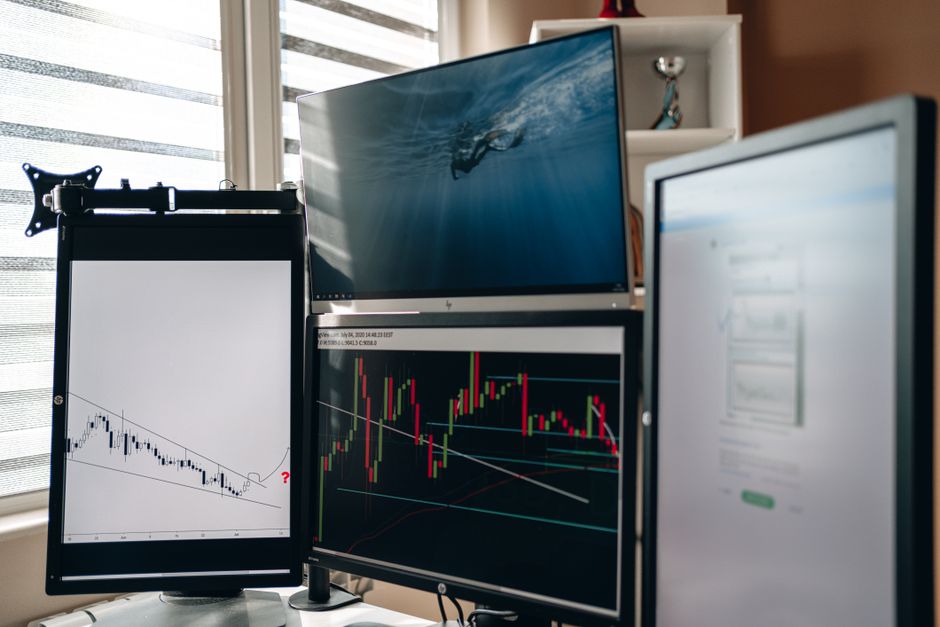
Price action rarely sustains a vertical trajectory immediately following the initial breach of a defined boundary. The mechanics of market participation described in orb trading lessons aura digital prioritize the observation of the first pullback rather than chasing the initial opening range breakout. This approach focuses on the volatility found during the first hour of regular trading hours to avoid entering at the absolute exhaustion point of a move.
The Mechanics of the Pullback

A direct entry on the breakout often meets immediate resistance as liquidity clusters at the edge of the established zone. The strategy shifts from aggressive participation to waiting for the price to test the boundary from the other side. This secondary move confirms that the previous range now acts as support or resistance. Observing the fifteen minute range provides the necessary context to determine if the breakout has genuine momentum or if it represents a failed attempt to shift the intraday trend. Entering on the second wave reduces the risk of being caught in a false breakout trap.
Defining the Boundary

The boundary is set by the high and low established during the initial period of volatility. Using a 5 minute or a 15 minute timeframe allows for a clear distinction between noise and a structural shift. Once the market open occurs, the price must clear the high or low of the premarket session to signal a potential trend. A pullback to this level must happen with decreasing volume to indicate that selling pressure is drying up. If the price returns to the boundary with heavy volume, the breakout is likely invalid.
Timing the Entry
Execution occurs at the moment price touches the boundary during the second wave. This setup requires patience as the first few minutes after the cash open often produce erratic price spikes. The trader monitors the thirty minute range to see if the pullback holds or if it penetrates deep into the previous zone. A successful second wave entry sees the price reject the boundary and begin a new leg toward the session high. This mechanical process removes the impulse to enter during the initial surge of the opening bell.
Managing the Risk
Stop losses are placed behind the boundary or the recent swing low of the pullback. The distance to the target is measured by the next significant level of liquidity or the previous day high. Using the sixty minute range helps identify larger structural targets. A small sample of trades overstates the edge, so the mechanical execution of the second wave must be applied over a large number of sessions to verify the statistical advantage. The focus remains on the price interaction with the boundary rather than speculative direction.