What the First Year Actually Teaches

Looking back at the first twelve months, almost none of the effort went where it should have. The time was spent on parameters, instrument selection and chart configuration, and the things that actually determined the outcome were sitting elsewhere the entire time, unexamined because they did not look like the sort of thing a person works on.
The Rules Were Never the Hard Part
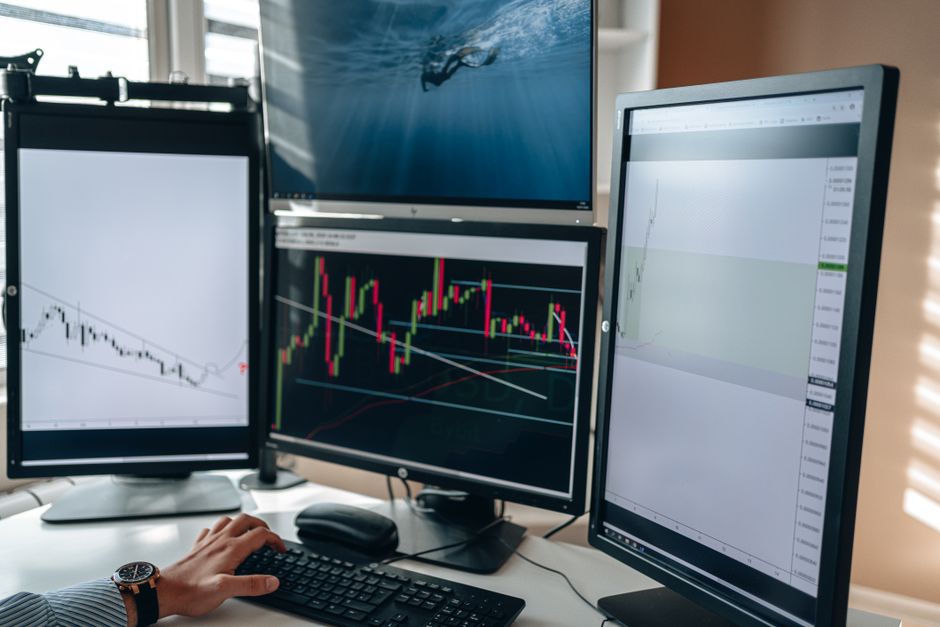
Writing a workable set of conditions takes an afternoon. Understanding why each one exists takes a little longer. Neither is difficult, and the early feeling of having done something substantial by producing a documented strategy is misleading, because the document was the easy artefact.
What consumed the year was the distance between the document and behaviour. Following the rules on an ordinary session is trivial. Following them on the fourth losing session in a row, or on the morning a setup appears that is technically valid and looks obviously wrong, is a completely different task and one the document does not help with at all.
Sample Size Is Larger Than It Feels
Early on, ten sessions felt like evidence. A run of good results suggested the approach worked and a run of bad ones suggested it needed changing, and both conclusions were drawn with total confidence from almost nothing.
The correction is slow and mostly unwelcome. Anything short enough to be emotionally significant is too short to be informative, and anything long enough to be informative is long enough that you will have wanted to change something halfway through. Most of the first year's adjustments were responses to noise, and the version of the strategy at the end of it was not better than the version at the start, just more elaborate.
Recording Everything Was the Best Decision
Keeping a record of every session, including the ones with no trade and the reason for skipping them, felt like busywork for the first two months. It became the single most useful thing available, because it was the only source of information about the past that was not filtered through memory.
Memory of trading is unreliable in a specific direction. It keeps the dramatic sessions and discards the ordinary ones, so the remembered version of any stretch is more volatile and more eventful than the recorded version. Reading back a month of notes is routinely surprising, and it is surprising in the same way every time.
Boredom Was the Real Adversary
Nobody warns you adequately about this. The strategy asks for a decision in a narrow window and then asks for nothing, and the amount of time that leaves is substantial. Losses were unpleasant but they were at least events. Sessions where the correct action was to do nothing, repeated across a quiet fortnight, were harder to sit through and produced far more rule breaking.
Every unplanned trade in the record traces back to either a loss or an empty stretch, and the empty stretches account for more of them. That was not the ratio anyone would have predicted at the start.
What I Would Change
Less time on the parameters and more on infrastructure around the decision: a fixed routine, a written record, a defined thing to do once the window closes. Fewer changes to the strategy and a rule about when changes are permitted at all, because the changes made mid stretch were almost all reactions to a recent outcome rather than to anything learned.
And a smaller starting size, not for the arithmetic but because the size determined how much of the emotional content of the first year there was to manage. A position small enough that a loss was genuinely unimportant would have made every other lesson cheaper to learn, and the lessons were going to arrive regardless of what they cost.