The ORB Stop-Loss Buffer Calculation

Traders often place stops at fixed percentage levels without measuring the actual volatility of the morning session, a mistake noted in the data found at orb trading lessons aura digital regarding intraday math. This error ignores the specific breadth of the opening range breakout, leading to premature exits during normal price fluctuations. Relying on a static number ignores the reality of the market open. Accurate stop placement requires a mechanical calculation based on the specific width of the initial price movement.
The Math of the Buffer

A stop loss should not be a guess. The calculation uses a multiple of the opening range width to create a buffer. If the five minute range is ten cents wide, a two times multiplier creates a twenty cent buffer from the breakout point. This method adjusts to the volatility of the session. A narrow range produces a tight stop. A wide range produces a wide stop. This logic removes the guesswork from the trade execution. The math stays consistent regardless of whether the stock is moving fast or slow during the first hour.
Defining the Timeframe
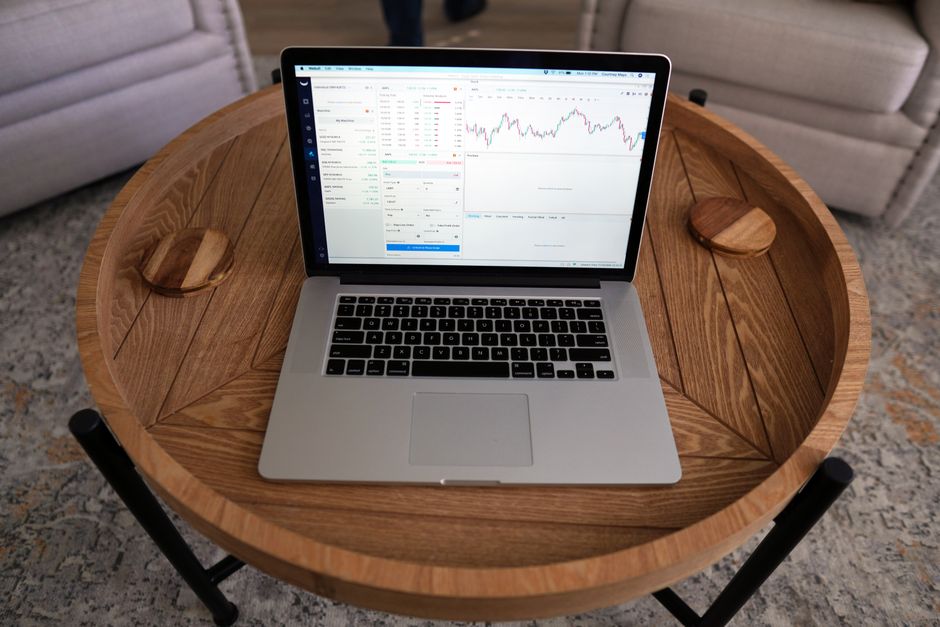
The selection of the timeframe dictates the buffer size. Using a 5 minute candle provides a rapid response to price action. A 15 minute range offers a broader view of the initial sentiment. Some mechanics prefer the 30 minute range to filter out noise from the opening bell. The chosen period must remain constant for every trade in a single session. Mixing a 5 minute stop with a 60 minute range calculation breaks the mathematical consistency of the system. Consistency in the time frame leads to consistent data.
Applying the Multiplier
The multiplier serves as the volatility filter. A 1.5x multiplier stays close to the price action. A 2x multiplier provides more room for the stock to breathe. The math follows a simple rule. Take the high of the range minus the low of the range. Multiply that value by the chosen factor. Add that amount to the breakout level or subtract it from the breakdown level. This produces a hard number for the stop loss. This number reflects the actual movement of the stock during regular trading hours.
Execution and Risk
Position sizing must change based on the buffer width. A wide buffer requires a smaller position to maintain the same dollar risk. If the range is large, the stop is far away. A large stop requires a smaller contract count. This keeps the risk per trade identical. Using the same number of contracts for every trade regardless of the range width leads to inconsistent losses. The math dictates the size of the trade. The volatility of the opening range dictates the stop. These two variables work together to manage the risk during the session.